A siding problem rarely announces itself with one dramatic failure. More often, it begins with a soft spot near a window, paint that peels again too soon, or an interior wall that feels colder during a Pennsylvania winter. When should you replace siding? The right answer depends on what is happening behind the visible surface, not simply on the age of the material.
For homeowners in the greater Philadelphia area, siding has to withstand humid summers, freeze-thaw cycles, wind-driven rain, and years of temperature swings. Replacing it at the right time can protect your home’s framing, improve its appearance, and create an opportunity to upgrade insulation, trim, and water management. Waiting too long can turn what should have been an exterior improvement into a larger structural repair.
When Should You Replace Siding Instead of Repairing It?
A localized issue does not always require a full replacement. A few cracked vinyl panels, a small area of damaged trim, or peeling paint on otherwise sound wood siding may be repaired effectively. The key question is whether the damage is isolated and whether the wall assembly behind the siding remains dry and intact.
Replacement becomes the better investment when problems recur, spread across multiple elevations, or point to moisture intrusion. Repainting over failing wood, caulking gaps that keep reopening, or replacing individual pieces of discontinued siding can postpone the decision, but it may not solve the cause. A careful exterior assessment should look beyond the face of the siding to flashing, window and door openings, roof-to-wall transitions, gutters, and drainage around the foundation.
If you are planning an addition, a major renovation, or replacement windows, siding replacement may also make sense as part of the larger scope. Coordinating these projects allows the construction team to properly integrate flashing and weather barriers rather than treating each improvement as a separate patch.
8 Signs Your Siding May Need Replacement
1. Warping, buckling, or loose panels
Siding should sit flat and secure against the wall. Panels that ripple, bow, pull away, or appear wavy can indicate heat damage, improper installation, or moisture affecting the material beneath. With vinyl siding, minor movement is normal as temperatures change. Persistent distortion is not.
2. Rot, soft areas, or crumbling wood
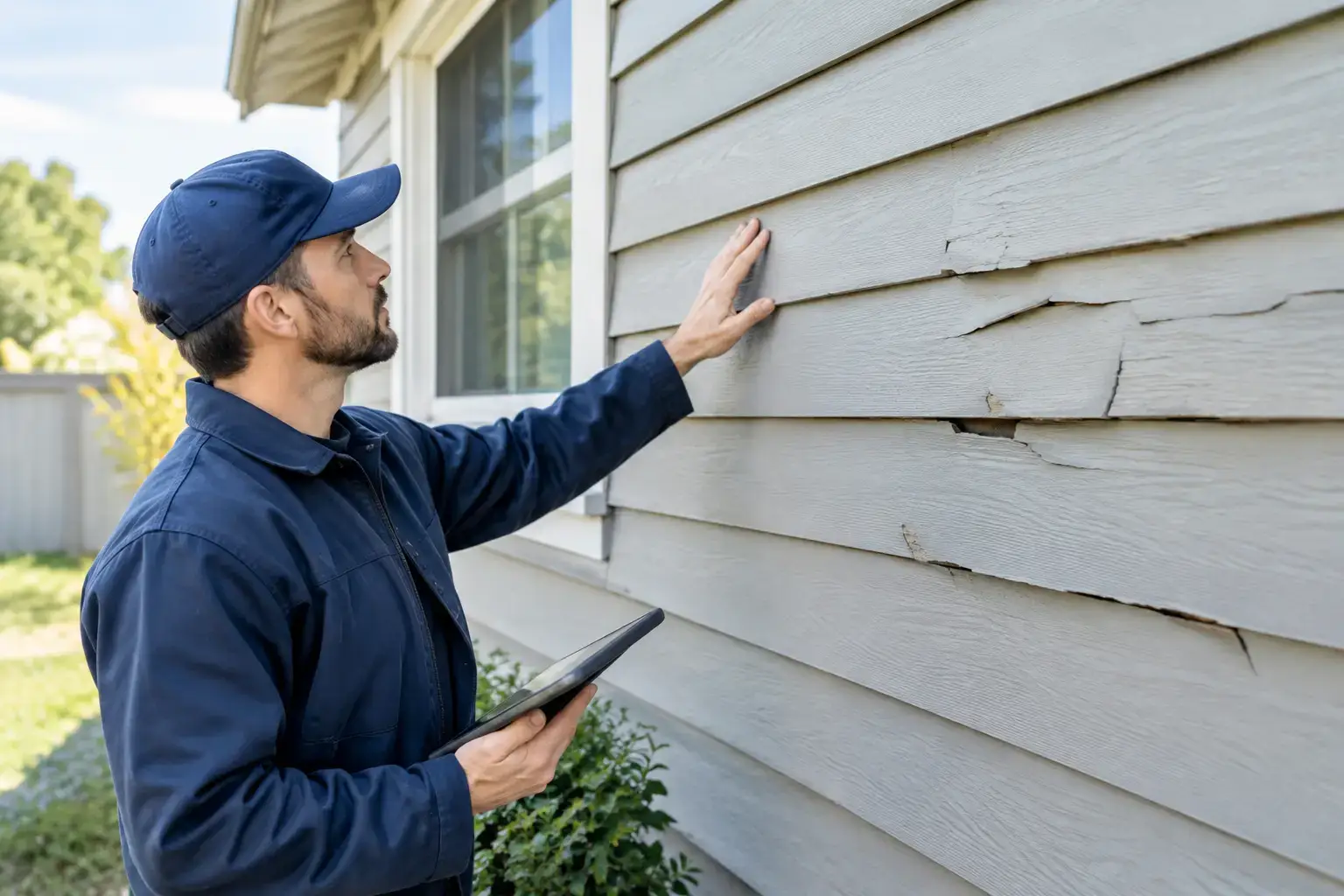
Wood siding can last for decades when maintained well, but rot requires attention. Press gently around suspected areas, especially near the bottom edges of walls, under windows, and around chimneys. Soft wood, crumbling edges, or siding that gives under pressure may mean water has reached the sheathing or framing.
3. Cracks, holes, and impact damage
A small crack can admit water and insects, particularly when it is located near a seam or corner. Hail, flying debris, lawn equipment, and aging can all create openings. One damaged board may be repairable, but widespread cracks often signal that the siding has become brittle and is nearing the end of its service life.
4. Paint that fails prematurely
Painted wood siding needs periodic maintenance, but paint should not blister, peel, or crack shortly after a proper repaint. Repeated paint failure can be caused by trapped moisture, poor surface preparation, inadequate ventilation, or siding that no longer holds a stable finish. Before repainting again, identify why the coating is failing.
5. Fading that changes the home’s appearance
Fading is primarily an aesthetic concern, but it matters when it is uneven or severe enough that replacement panels no longer match the existing exterior. Sun exposure affects elevations differently, so a repair can become visibly patchy. For homeowners investing in curb appeal or preparing for a larger remodel, a full replacement can deliver a more consistent result.
6. Rising energy costs or uncomfortable rooms
Siding alone is not usually the reason for high utility bills. However, siding replacement exposes the exterior wall, making it an ideal time to address damaged sheathing, missing insulation, air leaks, and failed weather barriers. If rooms feel drafty or unusually hot and cold, an exterior evaluation can reveal whether wall upgrades should be included in the project.
7. Mold, mildew, or water stains
Mildew on the exterior can sometimes be cleaned, especially in shaded areas with limited airflow. Interior staining, persistent musty odors, or mold near exterior walls is more serious. Those symptoms can indicate water entering through siding, trim, flashing, or roofing details. The source must be corrected before new siding is installed.
8. Damage around windows, doors, and trim
The most vulnerable parts of an exterior are often the transitions. Gaps around windows and doors, deteriorated trim, failed caulk joints, or staining beneath a window can point to flashing problems. Replacing siding without correcting these details is a missed opportunity. Proper installation is about directing water outward at every layer, not merely applying new material over an old problem.
Age Matters, but Condition Matters More
Every siding material has a different expected lifespan. Vinyl may last 20 to 40 years, depending on quality, exposure, and installation. Fiber cement can perform for several decades with proper detailing and maintenance. Wood may last just as long or longer, but it requires consistent care. Engineered wood and composite products vary by product line, installation quality, and local conditions.
These ranges are useful for planning, not for making an automatic replacement decision. A 15-year-old exterior with widespread water damage needs attention sooner than a 35-year-old exterior that has been carefully maintained. Likewise, a home with historic wood details may deserve a targeted restoration strategy rather than wholesale removal. The best approach respects both the condition of the building and the character you want to preserve.
Choosing the Right Scope and Material
Once replacement is warranted, the conversation shifts from “what failed?” to “what should this exterior do better?” For some homes, the priority is low maintenance. For others, it is preserving architectural detail, improving insulation, or creating a more refined exterior that complements a new addition, porch, or outdoor living space.
Vinyl siding can be a practical option for budget-conscious projects and low-maintenance needs. Fiber cement offers a durable, design-flexible look that works well with many traditional and transitional homes. Natural wood provides warmth and authenticity, particularly on historic properties, but it requires a realistic maintenance plan. Engineered products can offer the texture of wood with different performance and upkeep characteristics.
Material selection should never be separate from installation details. Housewrap or another weather-resistive barrier, correctly layered flashing, proper fasteners, ventilation, trim design, and clearances from roofing, grade, and hardscape all affect long-term performance. A premium siding product installed poorly will not provide the protection a home needs.
Plan the Project Before Damage Spreads
Spring and fall are often comfortable seasons for exterior work in southeastern Pennsylvania, but a qualified team can complete siding projects through much of the year when conditions allow. The more important factor is planning before active leaks or extensive rot force an emergency decision.
A well-managed project begins with a thorough inspection and a clear scope. That includes identifying damaged sheathing, confirming whether windows or trim should be addressed at the same time, selecting materials, and setting expectations for access, cleanup, and weather delays. It also means allowing a reasonable contingency for concealed damage. No one wants surprises, but an older home may reveal issues once the existing siding is removed.
For a larger renovation, exterior siding can become the finishing layer that ties the entire project together. OSR Builders approaches these decisions with the same accountability applied to structural renovations and design-build work: understand the existing conditions, coordinate the details, and build a result that performs as well as it looks.
If your siding is showing several warning signs, do not wait for a stain on the ceiling or a soft wall to make the decision for you. A thoughtful assessment now can protect the home you have worked hard to build and maintain.