
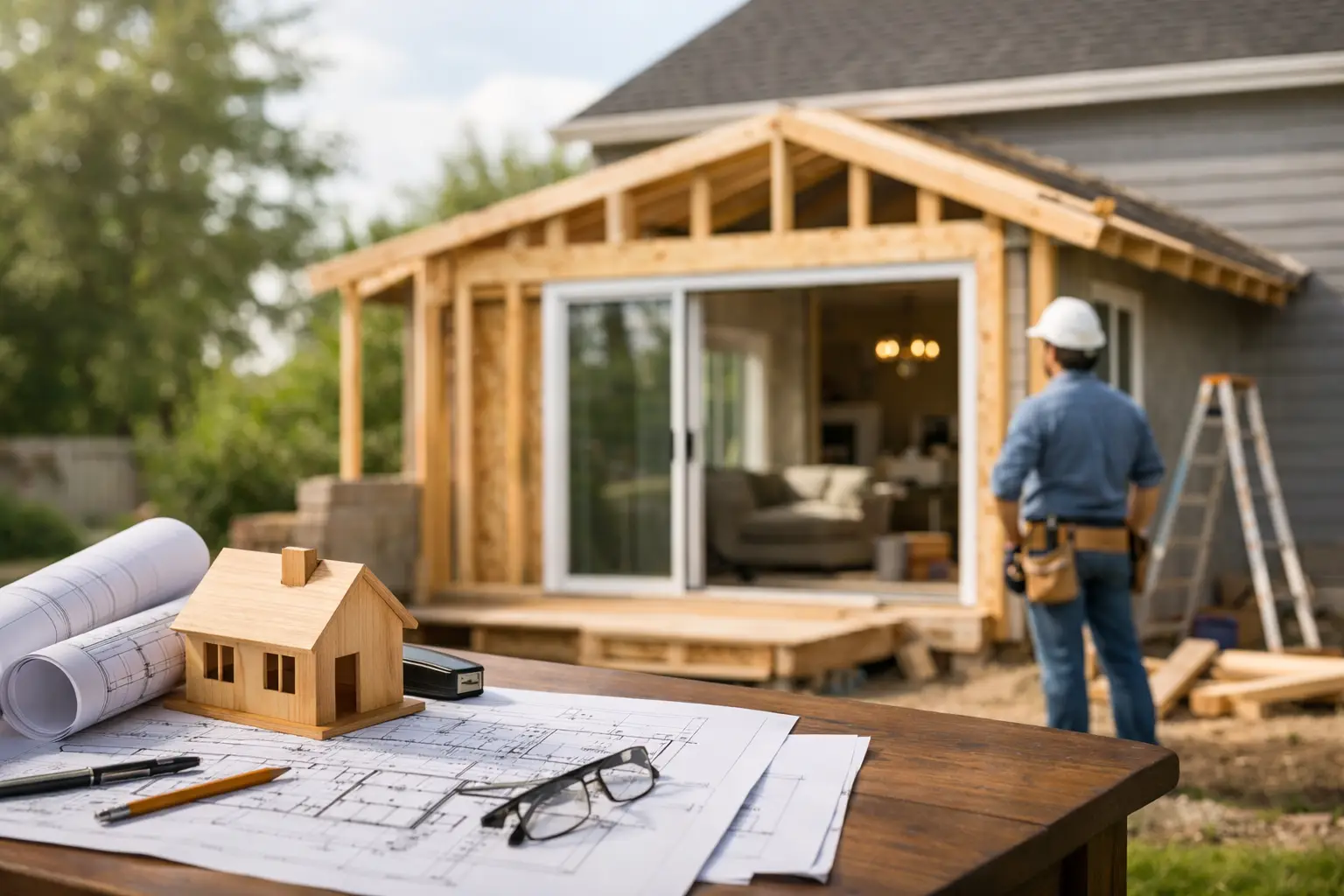
A home addition usually starts with a simple need – one more bedroom, a larger kitchen, a real mudroom, space for aging parents, or room for a growing family. But once you move from idea to action, the real question becomes how to plan a home addition in a way that protects your budget, fits your home, and improves daily life instead of creating new headaches.
The strongest projects begin before drawings, permits, or demolition. They begin with clarity. If you know what problem you are solving, what constraints you have, and what level of investment makes sense for your property, the rest of the process becomes far more manageable.
How to plan a home addition with the right goal
Not every addition should be driven by square footage alone. More space is valuable, but only if it works the way your household actually lives. A family room addition may sound like the answer until you realize the real issue is poor flow between the kitchen and the backyard. A second-story addition may add bedrooms, but if the first floor remains cramped and disconnected, the project may miss the mark.
Start by defining the purpose in plain language. Do you need more privacy, more storage, better entertaining space, room for multigenerational living, or a layout that supports remote work? Be specific. “We need another bedroom” is a start. “We need a first-floor guest suite with a full bath for long-term family visits” is a project brief.
This step matters because the solution is not always the one homeowners first imagine. In some cases, reconfiguring existing space plus a modest addition creates a better outcome than building a large new footprint. In others, the right answer is a full design-build approach that rethinks how the old and new spaces connect.
Start with your property, not just your wish list
One of the biggest mistakes homeowners make is planning around inspiration photos before they understand site conditions. Your lot, setbacks, utility locations, drainage, existing structure, and zoning requirements will shape what is possible.
A rear addition may seem straightforward, but grade changes, easements, or septic limitations can quickly affect cost and design. A second-story addition may preserve yard space, but it can introduce structural upgrades, stair reconfiguration, and longer disruption inside the home. If you live in an older or historic home, tying new work into the original structure requires even more care.
That is why early feasibility matters. Before you get attached to a specific concept, it helps to understand what your home can realistically support. In the Philadelphia area, many neighborhoods also bring context issues such as tight lot lines, township approvals, and older framing conditions that need to be evaluated upfront.
Set a budget range before design gets too far
Homeowners often want to wait for plans before talking numbers. In practice, that usually leads to design decisions that outpace the budget. A better approach is to establish an investment range early, even if it is preliminary.
That range should include more than construction. You may also need design fees, structural engineering, permits, finishes, utility work, temporary living adjustments, and a contingency for unknowns. Renovation and addition work can reveal surprises once walls are opened or foundations are exposed. Pretending those risks do not exist does not protect your budget. Planning for them does.
There is also a value question. The right addition should make sense for your property, your neighborhood, and your long-term plans. If you plan to stay for many years, lifestyle value may matter more than strict resale math. If you expect to sell sooner, the scope should be weighed more carefully against local market realities.
A good builder will help you balance ambition and discipline. That means understanding where premium materials truly add value and where simpler choices can preserve the budget without sacrificing the overall result.
Build the project around function and flow
A successful addition should feel like it belongs to the house, not like an afterthought attached to it. That takes more than matching siding or rooflines. It requires careful planning around circulation, sightlines, ceiling heights, natural light, and how people move through the home.
This is where design matters just as much as construction. If a kitchen addition creates a large new room but leaves awkward transitions to adjacent spaces, the finished project may still feel off. If a primary suite addition gives you more square footage but places the closet or bath in a way that wastes usable space, the project may not perform as well as it should.
Think beyond the new room itself. Consider where furniture will go, where storage will live, how daylight will enter the space, and how the addition changes your exterior. Window placement, roof transitions, and interior finishes all affect whether the project feels cohesive.
When homeowners ask how to plan a home addition well, the answer often comes back to this point: do not plan the new square footage in isolation. Plan the whole house around it.
Understand permits, codes, and structural requirements
Even a relatively simple addition involves layers of coordination behind the scenes. Local permitting, code compliance, structural design, inspections, and trade sequencing all affect the timeline and the build itself.
This is not the glamorous part of the project, but it is one of the most important. Additions commonly involve foundation work, framing integration, roofing tie-ins, HVAC extensions or upgrades, electrical expansion, plumbing changes, insulation requirements, and egress or fire safety considerations. Depending on the age of the home, you may also encounter outdated conditions that must be corrected as part of the work.
That is one reason many homeowners prefer a single team that can manage design, construction, and coordination together. When the builder, designer, and engineering process are aligned from the beginning, there is less room for missed details, scope gaps, and finger-pointing later.
Plan for disruption realistically
Every home addition affects daily life. The question is how much, for how long, and whether the disruption is being planned for honestly.
A rear family room addition may allow you to stay in the home with manageable inconvenience. A major kitchen addition can turn the house into an active jobsite during essential parts of your routine. A second-floor expansion may involve opening ceilings, relocating systems, and limiting access to key rooms. Weather can also affect schedules, especially during excavation, framing, and exterior tie-in phases.
Homeowners tend to focus on the final reveal. A better mindset is to prepare for the path to get there. Ask where crews will enter, how dust will be managed, when utilities may be interrupted, and whether any portion of the home will be unusable for a period of time. Clear expectations reduce stress and help families make practical decisions early.
Choose the right team before finalizing the vision
A home addition is not just a construction purchase. It is a planning and execution partnership. The team you choose will influence budget control, communication quality, design clarity, schedule management, and the finished craftsmanship.
Look for a partner who can speak clearly about process, not just price. You want to know how they approach pre-construction, how they develop scope, how selections are handled, how change management works, and who is accountable from start to finish. That level of structure becomes especially important on complex projects where existing conditions and client decisions both shape the final outcome.
For many homeowners, the best experience comes from working with a company that can guide the project from concept through completion. At OSR Builders, that integrated approach helps clients make design and construction decisions with one coordinated team instead of juggling separate parties with separate priorities.
Make timing decisions with the long view in mind
The best time to build is not always the moment you first feel crowded. Sometimes it makes sense to plan ahead so financing, design, permits, and selections can be handled thoughtfully instead of under pressure.
Season matters, but preparation matters more. A project that starts with complete drawings, realistic budgeting, and timely decisions will usually move better than one rushed to hit a calendar target. If you are considering an addition because of a new child, a returning family member, or a lifestyle shift, give yourself more lead time than you think you need.
That extra planning window often creates better results. It gives you room to weigh options, compare layouts, refine finishes, and make choices that support the home for years rather than simply solving a short-term problem.
A well-planned addition should do more than add space. It should make the house live better, look better, and feel like it was always meant to be that way. When you begin with the right questions, the right team, and a clear understanding of what matters most, you give the project its best chance to deliver exactly that.