
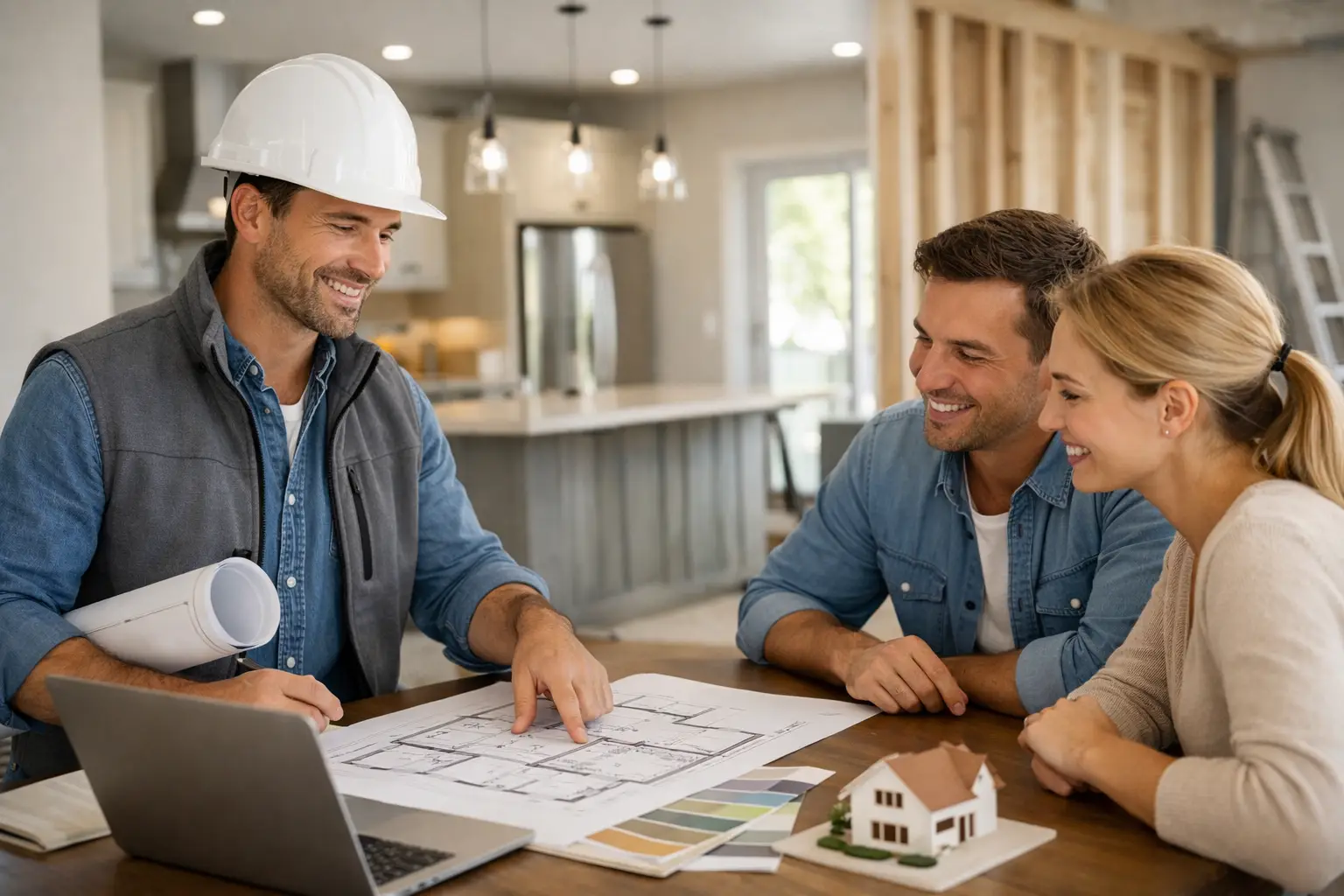
A kitchen remodel that starts with one designer, shifts to a separate estimator, and ends with a contractor interpreting someone else’s plans often runs into the same problems: budget drift, schedule delays, and too many handoffs. That is exactly why many homeowners now look for a design build remodeling contractor instead of trying to coordinate multiple firms on their own.
For larger renovations, additions, and whole-home updates, the appeal is straightforward. You want one team that can develop the vision, price it realistically, and build it with accountability from start to finish. When the people drawing the plans also understand structural demands, construction sequencing, permitting, and material lead times, the process tends to be more organized and the result more aligned with the original intent.
What a design build remodeling contractor actually does
A design build remodeling contractor combines design services and construction management under one roof. Instead of hiring an architect or designer first and then sending finished plans out to bid, you work with a single company that handles both the creative and the technical sides of the project.
That changes more than just the org chart. It affects how decisions get made. Design choices are weighed against budget earlier. Construction methods are considered while plans are still evolving. If a structural issue, township requirement, or product lead time affects the project, the team can address it before it becomes a costly surprise in the field.
This model is especially useful for projects where design and construction are tightly connected, which is true for most serious remodels. A finished basement with a bathroom, a primary suite addition, a reworked first floor, or a historic home renovation all involve layers of coordination that benefit from a single point of responsibility.
Why homeowners choose a design build remodeling contractor
For many property owners, the biggest benefit is clarity. You are not caught between separate parties when questions come up about cost, scope, or feasibility. There is one team responsible for translating ideas into drawings, drawings into pricing, and pricing into a finished space.
Communication also improves. In a traditional setup, a homeowner may have to relay information between a designer and a builder, hoping nothing gets lost in translation. In a design-build relationship, those conversations happen internally as part of the process. That usually means faster answers, better coordination, and fewer revisions driven by disconnects between concept and execution.
Budget control is another major reason people make this choice. A beautiful plan is only useful if it can actually be built within a realistic number. With a design-build team, pricing is not an afterthought. It develops alongside the design, so you can make informed trade-offs before construction begins rather than after permits are submitted or demolition is underway.
That does not mean the cheapest path always wins. In many cases, it should not. But it does mean you can decide where premium materials, custom details, or structural changes will matter most and where practical alternatives make better sense.
Where this approach works best
A design build remodeling contractor is often the right fit for projects with complexity, customization, or multiple moving parts. Whole-home remodels are a strong example because they involve layout planning, systems updates, finish selections, and phased construction that must all work together.
Home additions are another. If you are adding square footage, you are not just choosing finishes. You are dealing with foundation work, framing integration, roofing transitions, code compliance, and how the new space will look and function with the existing home. Design and construction decisions are inseparable in that kind of work.
The same is true for kitchens, bathrooms, basement renovations, and outdoor living projects when the scope goes beyond simple replacement. Once walls move, windows change, utilities relocate, or structural elements come into play, a coordinated process becomes far more valuable.
Commercial build-outs can benefit as well, particularly when timing matters and the space needs to support branding, operations, occupancy requirements, and long-term durability.
What the process usually looks like
Most design-build projects begin with a discovery phase. This is where goals, priorities, site conditions, and investment range are discussed openly. A good contractor will ask practical questions early: How do you use the space now? What is not working? What level of finish are you expecting? Are you trying to stay in the home during construction? What matters more, timeline, customization, or strict budget control?
From there, concept development starts. That may include layout options, preliminary selections, scope recommendations, and early budgeting. This stage matters because it sets the direction before every detail is locked in. It is also where experienced teams can save clients from costly missteps, such as designing a space that looks impressive on paper but does not suit the structure, the neighborhood, or the budget.
Once the direction is approved, the project moves into detailed design and pre-construction. Plans are refined, engineering is coordinated if needed, selections are finalized, permits are prepared, and the construction plan becomes more precise. By the time the build starts, there should be a clear understanding of scope, responsibilities, allowances, and timeline.
Construction then becomes the execution of a well-developed plan rather than a series of rushed decisions. There will still be variables, because remodeling always involves some level of discovery, especially in older homes. But a strong pre-construction process reduces the number of surprises that should have been anticipated from the beginning.
How to evaluate a design build remodeling contractor
Not every company offering design-build services approaches it with the same depth or discipline. Some primarily build and outsource most design work. Others lean heavily on design but have limited in-house construction management. Neither is automatically wrong, but you should understand how the team is structured and who is accountable at each phase.
Ask how budgeting is handled during design. If a contractor cannot explain how costs are tracked while plans develop, that is a concern. Ask who manages permitting, who communicates schedule updates, and how field conditions are documented when unexpected issues appear.
You should also look at the kind of work they actually do. A company that excels at cosmetic updates may not be the right partner for a structural renovation, a major addition, or a historic restoration. Experience matters, but relevant experience matters more.
Craftsmanship should be visible in the finished work, yet process matters just as much. A well-run project is not only about attractive photos. It is about organization, site management, clean communication, realistic planning, and follow-through when details need attention.
The trade-offs to understand
Design-build is not magic, and it is not the perfect fit for every scenario. If you already have complete architectural plans and want to collect multiple competitive bids, a traditional bid process may make sense. Some clients also prefer hiring independent design and construction professionals for added separation.
Still, separation can create friction. When design and construction teams are not aligned from the start, homeowners may face redesign costs, scope gaps, and conflicting advice. The lower initial bid does not always produce the better overall outcome if important realities were missed during estimating.
There is also a trust component. Because you are placing more responsibility with one company, that company needs to be highly credible, transparent, and communicative. The right partner earns that trust through process, documentation, and consistency, not just promises.
Why the model matters in older and high-value homes
Across the Philadelphia area, many homes come with character, age, and construction conditions that do not fit neat assumptions. Behind plaster walls or under old flooring, there may be framing changes, outdated systems, or signs of previous work that affect the current plan. In these homes, design and construction need to stay in close conversation.
That is one reason firms like OSR Builders emphasize an all-in-one approach. When craftsmanship, design intent, and field execution are managed together, it becomes easier to protect the home’s character while still improving function, efficiency, and long-term value.
For luxury projects, the stakes are simply higher. Fine finishes, custom millwork, layout refinement, and structural modifications all require tighter coordination. A design-build process helps keep those details aligned, especially when the goal is not just to renovate a house, but to create a home that feels intentional in every room.
The best remodeling experience is not the one with the most meetings, the most vendors, or the most paperwork. It is the one where the vision is understood, the budget is respected, and the work is executed with care. If that is what you want from your next project, a design build remodeling contractor is often the smartest place to start.