Most construction problems do not start with the hammer. They start earlier, when the design team, contractor, and owner are working from different assumptions. A project looks clear on paper, then pricing comes in high, schedules stretch, and changes pile up. That is exactly why homeowners and property owners ask, what is design build construction, and why has it become such a popular way to manage complex projects?
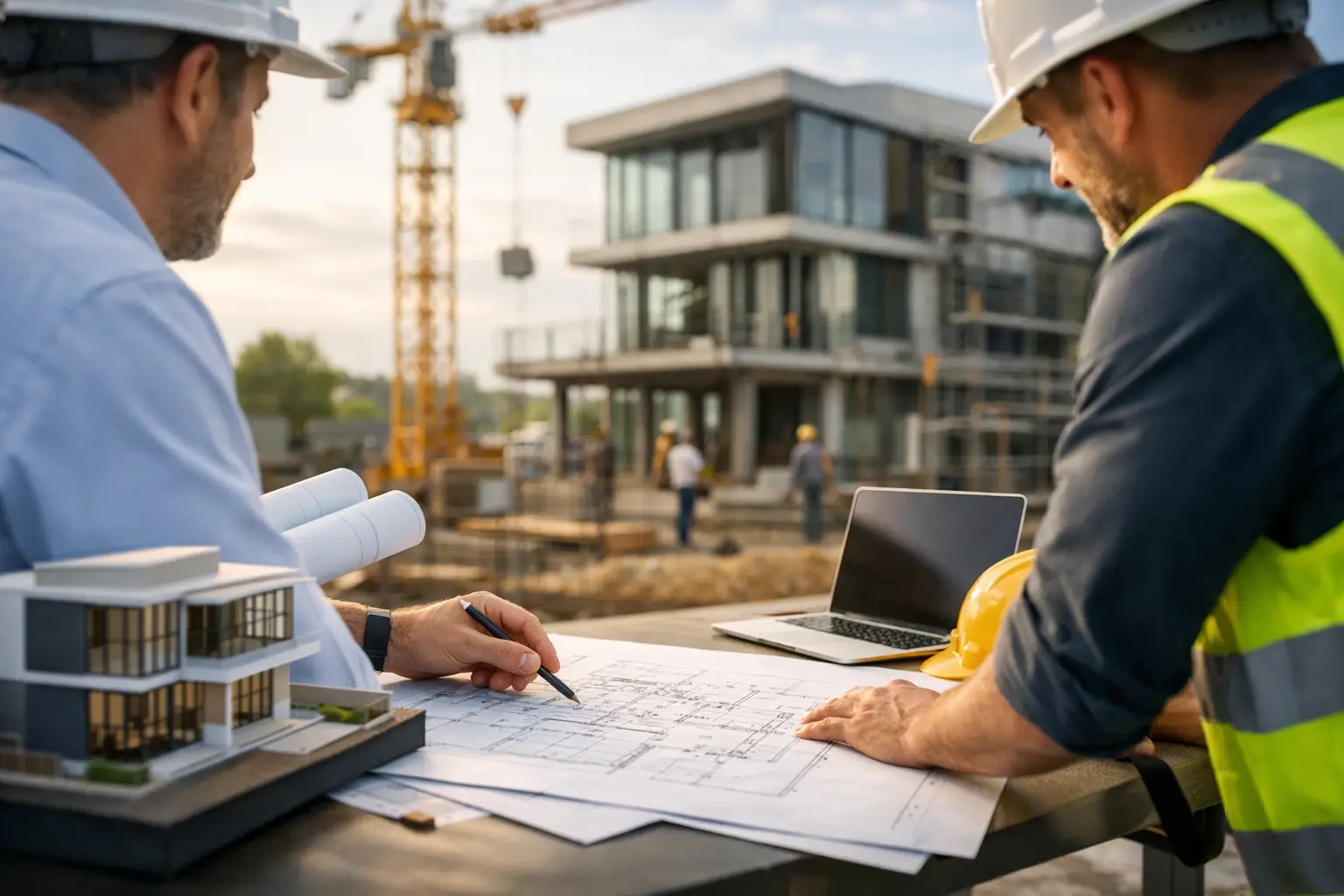
Design-build construction is a project delivery method where one company handles both the design side and the construction side under a single contract. Instead of hiring an architect or designer first and then bidding the project out to contractors, the owner works with one integrated team from the beginning. That team develops the design, aligns it with the budget, plans the construction process, and carries the project through completion.
For clients, the appeal is straightforward. You get one point of contact, better coordination, and fewer gaps between what is drawn, what is priced, and what gets built. For projects like custom homes, whole-home renovations, additions, commercial fit-outs, and structural remodels, that alignment can make a major difference.
What Is Design Build Construction in Simple Terms?
The simplest way to understand what is design build construction is to compare it to the traditional model.
In a traditional design-bid-build process, you hire a designer or architect, complete plans, and then ask contractors to price the work. That approach can work well, but it often creates separation between design decisions and construction realities. If the plans are over budget or certain details are difficult to build, those issues may not become fully clear until later.
In a design-build model, the design and construction teams work together from the start. Budget, materials, engineering needs, scheduling, and buildability are part of the conversation while the project is still taking shape. That does not mean every project becomes simpler. It means the team can solve problems earlier, before they turn into delays or expensive revisions.
For a homeowner planning a major renovation in the Philadelphia area, this matters. If you are opening walls in an older home, adding square footage, or balancing structural upgrades with high-end finishes, early coordination is not a luxury. It is part of protecting the budget and keeping the process under control.
How the Design-Build Process Works
The process usually starts with a consultation focused on goals, priorities, and investment range. The team learns what you want the space to do, how you want it to feel, and what constraints need to be respected. Those constraints might include zoning, existing structural conditions, timeline needs, or the realities of renovating an occupied home or active commercial space.
From there, conceptual planning begins. Layout options, finish direction, and general scope are developed with construction input already built into the process. That is one of the biggest differences from a more fragmented approach. Pricing is not an afterthought. It is part of the design conversation.
As the design develops, the team can refine selections, identify engineering requirements, and adjust details to support the budget and schedule. Once the scope is sufficiently defined, the project moves into final documentation, permitting, procurement, and construction.
Throughout the process, the owner is still making decisions. Design-build does not mean giving up control. It means your decisions are supported by one accountable team rather than filtered through multiple disconnected parties.
Why Owners Choose Design-Build
The biggest reason people choose design-build is coordination. Construction projects have many moving parts, and misalignment between design intent, pricing, field conditions, and scheduling is one of the most common sources of frustration.
With a single team managing the process, communication tends to be clearer and faster. If a layout change affects framing, mechanical work, and finish selections, those conversations happen inside the same project structure. That often reduces finger-pointing and keeps momentum moving.
Budget control is another major advantage. In design-build, costs can be tracked as the design evolves instead of being evaluated only after plans are complete. That does not guarantee a cheap project, and it should not. Quality construction still costs what it costs. But it does improve the chance of designing toward a realistic number instead of redesigning later.
Time savings can also be meaningful. Certain phases may overlap more efficiently, and the team does not need the same level of handoff between separate entities. On renovations and additions, where existing conditions often reveal surprises, that continuity can help the project adapt without losing direction.
There is also a quality advantage when the company responsible for building the work has been involved in shaping it. Details are more likely to reflect actual field conditions, material lead times, and installation methods. That can result in a finished project that feels more resolved, not just more efficient.
Where Design-Build Works Best
Design-build is especially valuable for projects that combine design decisions with technical complexity. That includes custom homes, whole-home remodels, additions, kitchen overhauls, basement transformations, outdoor living projects, and commercial interiors.
It is also a strong fit for older properties and historic homes, where surprises behind walls are not unusual. In those settings, rigid separation between designer and builder can create delays when conditions change. An integrated team is often better positioned to respond quickly while protecting the broader vision.
Commercial owners can benefit as well, particularly when speed, coordination, and tenant or business needs are part of the equation. If a fit-out needs to meet branding goals, code requirements, and operational deadlines at the same time, a single design-build partner can reduce administrative friction.
The Trade-Offs to Understand
Design-build has real advantages, but it is not automatically the right fit for every project or every client.
Some owners prefer to hire an independent architect first, complete a full design, and then seek competitive bids from multiple contractors. That can make sense if the owner wants a very specific design process before choosing a builder, or if the project structure requires more formal separation.
Design-build also depends heavily on trust. Since one company is guiding both design and construction, the client needs confidence in that team’s transparency, communication, and craftsmanship. A weak design-build firm can create the same problems as any weak contractor, just under one roof. The model is only as strong as the people managing it.
There is also a misconception that design-build always means fewer choices or less customization. In reality, it can support highly tailored work, especially in luxury residential projects. The key is whether the firm has both design sensitivity and construction discipline. If either side is underdeveloped, the process can feel lopsided.
How to Tell if Design-Build Is Right for Your Project
If your project involves major renovation, structural work, additions, custom features, or a lot of moving parts, design-build is worth serious consideration. It tends to work best when you value guidance, want one accountable team, and prefer a collaborative process over managing separate professionals yourself.
It may be the right fit if you want clearer budget feedback early, need help balancing aesthetics with practicality, or do not want to mediate between a designer and a contractor when challenges come up. Many homeowners are not looking to become project managers. They want an experienced team that can lead well, communicate clearly, and execute with care.
On the other hand, if you already have completed plans from a designer you trust and simply need a builder, a traditional general contracting relationship may be enough. The best delivery method depends on the project goals, the level of complexity, and how involved you want your team to be from the earliest planning stage.
What to Ask Before Hiring a Design-Build Firm
Before moving forward, ask how the company handles budgeting during design, who manages communication, and how design decisions are documented as the project develops. Ask whether structural and engineering needs are coordinated in-house or through trusted partners. Ask who will actually oversee the work in the field.
You should also review the firm’s construction portfolio carefully. Good design-build work is not just attractive in photos. It should show consistency, technical competence, and attention to detail. The process matters, but the finished product matters more.
For clients who want a guided experience without sacrificing quality, firms like OSR Builders bring the greatest value when they combine design insight, construction expertise, and accountability from the first meeting through the final walkthrough.
If you have been wondering what is design build construction, the real answer is this: it is a way to bring design, budget, and craftsmanship into the same conversation early enough to make better decisions. And when the project matters to how you live or how your business operates, that kind of alignment is more than convenient. It is often what makes the result feel worth the investment.