A luxury home is no longer defined by the largest foyer, the most ornate millwork, or a kitchen filled with features that rarely get used. The luxury home building trends shaping new construction around Philadelphia are more personal: rooms that work harder, materials that feel better over time, and systems that make daily life more comfortable without demanding attention.
For homeowners planning a custom build, the opportunity is not to chase every new idea. It is to identify the choices that will still feel right after the first season, the first holiday gathering, and the first decade in the home. That requires a clear vision, disciplined planning, and a construction team that can connect design decisions to budget, performance, and long-term maintenance.
Luxury Home Building Trends Center on How People Live
The strongest trend in luxury construction is thoughtful livability. Homeowners still want impressive spaces, but they want them to support real routines. A well-designed home can feel refined while accommodating children, pets, guests, work schedules, and the practical realities of Pennsylvania weather.
Warm, layered interiors replace stark minimalism
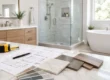
Cool gray palettes, glossy white surfaces, and ultra-minimal rooms are giving way to warmer, more textured interiors. Natural oak, walnut tones, plaster-inspired wall finishes, aged brass, stone, and handmade-look tile bring depth without making a home feel overly formal.
This is not a return to heavy, traditional decorating. The goal is restraint with character. A kitchen may pair clean cabinetry with a richly grained island, or a contemporary great room may use wide-plank flooring and tailored paneling to create warmth. These finishes photograph beautifully, but more importantly, they tend to feel less dated and more forgiving in everyday use.
Material selection still requires practical judgment. Natural stone has variation and needs appropriate care. Unlacquered metals develop a patina. Wide-plank wood can respond to humidity. For many families, the right answer is a durable alternative in high-traffic zones and authentic natural materials where they will have the most visual impact.
Kitchens are becoming more organized, not just larger
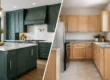
The luxury kitchen remains a priority, yet square footage alone is no longer the measure of success. Homeowners are asking for better workflow, concealed storage, specialized prep areas, and an easier transition between cooking, entertaining, and cleanup.
Walk-in pantries, back kitchens, appliance garages, beverage stations, and well-planned mudroom connections are increasingly common. These features let the main kitchen remain calm when the household is busy or guests are present. A back kitchen can be especially valuable for frequent entertainers, but it only earns its footprint when it has clear access, useful storage, ventilation, and a layout that supports the way the family actually cooks.
Custom cabinetry is also being designed as furniture rather than a row of boxes. Integrated lighting, furniture-style details, and carefully considered interior organizers create a polished result while reducing countertop clutter.
Flexible rooms provide a better return than single-purpose space
A room labeled as an office, playroom, exercise room, or guest suite can become limiting as a family changes. Flexible rooms are a more durable investment. They are designed with enough storage, daylight, acoustical privacy, and electrical capacity to serve more than one role.
For example, a first-floor study with a nearby full bath can become a comfortable guest room or a future aging-in-place suite. A finished basement can include a media area, fitness space, and a private work zone rather than one oversized recreation room. In a custom home, flexibility should be considered early, before structural layouts and mechanical systems make later changes more expensive.
Health, Comfort, and Performance Are Quiet Luxury
Some of the most valuable features in a new home are not immediately visible. Better insulation, carefully detailed air sealing, high-performance windows, balanced ventilation, and properly designed HVAC systems improve comfort every day. They also protect the finishes and furnishings that homeowners invest in.
In the Philadelphia area, homes need to perform through humid summers, cold winters, and significant seasonal swings. A beautiful home with uneven temperatures, drafts, condensation, or excessive noise will never feel fully finished. Building science is not a separate concern from luxury craftsmanship. It is part of it.
Indoor air quality has also become a more common part of client conversations. Whole-house filtration, fresh-air ventilation, low-VOC finishes, and moisture management can help create a healthier interior environment. The right approach depends on the home’s size, site conditions, and mechanical design. Adding equipment without an integrated plan can create noise, maintenance demands, or inefficient operation.
Smart-home systems fit this category when they solve a real problem. Lighting scenes, automated shades, security, climate control, and leak detection can make a home easier to manage. The most successful systems are intuitive and supported by reliable infrastructure. A homeowner should not need a technical manual to turn on a light or adjust a thermostat.
Outdoor Living Is Being Built as Part of the Home
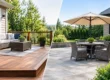
Patios, covered porches, decks, and outdoor kitchens have evolved from occasional entertaining areas into everyday extensions of the house. Homeowners want sheltered places to eat, relax, watch a game, and gather without moving the entire event indoors.
The best outdoor spaces are connected to the floor plan, not added as an afterthought. A covered area near the kitchen may need a direct path for serving, thoughtful lighting, weather-resistant finishes, and enough room for both cooking and seating. A fireplace or heaters can extend use into spring and fall, while screens, fans, and shade structures can make summer more comfortable.
There are trade-offs. Outdoor kitchens require durable appliances, winterization planning, and proper utility connections. Large roofed structures can affect natural light inside the home. A design-build team can help balance those factors before construction begins, when revisions are simpler and costs are easier to control.
Personalized Architecture Matters More Than a Copy-and-Paste Look
Luxury clients are increasingly selective about homes that look generic or overly trend-driven. They want architecture that belongs on its site and reflects their preferences, whether that means a refined modern farmhouse, a transitional stone home, a clean contemporary design, or an addition that respects a historic property.
That does not mean every detail must be custom for its own sake. It means the proportions, exterior materials, window placement, and interior sightlines should work together. A home feels elevated when there is a consistent point of view from the front entry to the least visible service space.
Historic influences deserve particular care in established Pennsylvania neighborhoods. New construction and additions can honor the character of an older home without imitating it poorly. Matching rooflines, masonry, trim profiles, and window proportions requires technical attention, but it helps the finished work feel intentional rather than attached.
Build for Durability Before Decorative Extras
A luxury budget can disappear quickly when decisions are made room by room without a full project strategy. Homeowners are better served by prioritizing the structure, exterior envelope, mechanical systems, windows, cabinetry, and foundational finishes before allocating funds to decorative upgrades.
That approach does not make a home less beautiful. It protects the quality of the final result. It is generally wiser to choose a simpler light fixture now and invest in proper waterproofing, site drainage, or a better-performing window package. Decorative elements can often be updated later. Correcting concealed construction work is far more disruptive.
This is where accountability and coordination matter. Design decisions affect framing, plumbing, electrical, engineering, and finish schedules. A single point of contact helps keep those relationships visible, reducing surprises and keeping the client involved when choices affect cost or timing.
For homeowners considering a custom build, the most valuable trend is a home that feels distinctly theirs and functions beautifully under real conditions. At OSR Builders, that begins with listening closely, planning carefully, and building each decision around craftsmanship that holds up long after the new-home feeling has passed.