Older homes rarely reveal their full story at first glance. A kitchen may look like the priority, but once walls open up, the real conversation often shifts to wiring, plumbing, insulation, framing, or moisture damage. That is why the cost to remodel an older home can vary so widely from one project to the next, even when two houses appear similar from the street.
In the Philadelphia area, many older properties offer the kind of charm and character that newer homes simply do not. Original trim, brickwork, plaster details, and established neighborhoods carry real value. But remodeling these homes takes more than good taste. It takes planning, experienced project coordination, and a realistic budget that accounts for both visible upgrades and hidden conditions.
What affects the cost to remodel an older home?
The biggest cost drivers are usually not cosmetic. They are the systems and structural conditions behind the finishes. If a home still has outdated electrical service, aging galvanized plumbing, undersized framing, or water intrusion, those issues need to be addressed before the new design can perform the way it should.
Age alone does not determine cost. Two homes built in the same decade can have completely different remodeling needs based on prior renovations, maintenance history, and how well the house was built in the first place. A well-kept stone colonial may need selective updates and layout improvements. Another property may require a far deeper investment just to bring it to current standards.
Scope also matters. Remodeling one bathroom in an older home is very different from reworking the main floor, opening load-bearing walls, upgrading HVAC, and refinishing original hardwood throughout. The more systems, trades, and design decisions involved, the more important pre-construction planning becomes.
Typical price ranges for older home remodeling
For a smaller renovation focused on finishes, homeowners may spend in the tens of thousands. Once the work expands into kitchens, bathrooms, flooring, electrical updates, and moderate layout changes, budgets often move into a much higher range. A full-scale whole-home remodel in an older property can easily reach six figures, particularly when structural work, custom finishes, or historic details are involved.
A practical way to think about pricing is by level of intervention. Cosmetic remodeling generally costs less because it keeps the core systems and layout intact. Mid-range remodeling includes selective system upgrades and more meaningful design changes. High-end or comprehensive remodeling often includes gut renovation work, engineering, custom millwork, premium finishes, and major code-related improvements.
That is why broad online averages can be misleading. They may give a rough starting point, but they do not reflect the specifics of your home, your neighborhood, or your goals. A thoughtful contractor will help you build a budget around real conditions and a defined scope, not generic national numbers.
Why older homes cost more than many owners expect
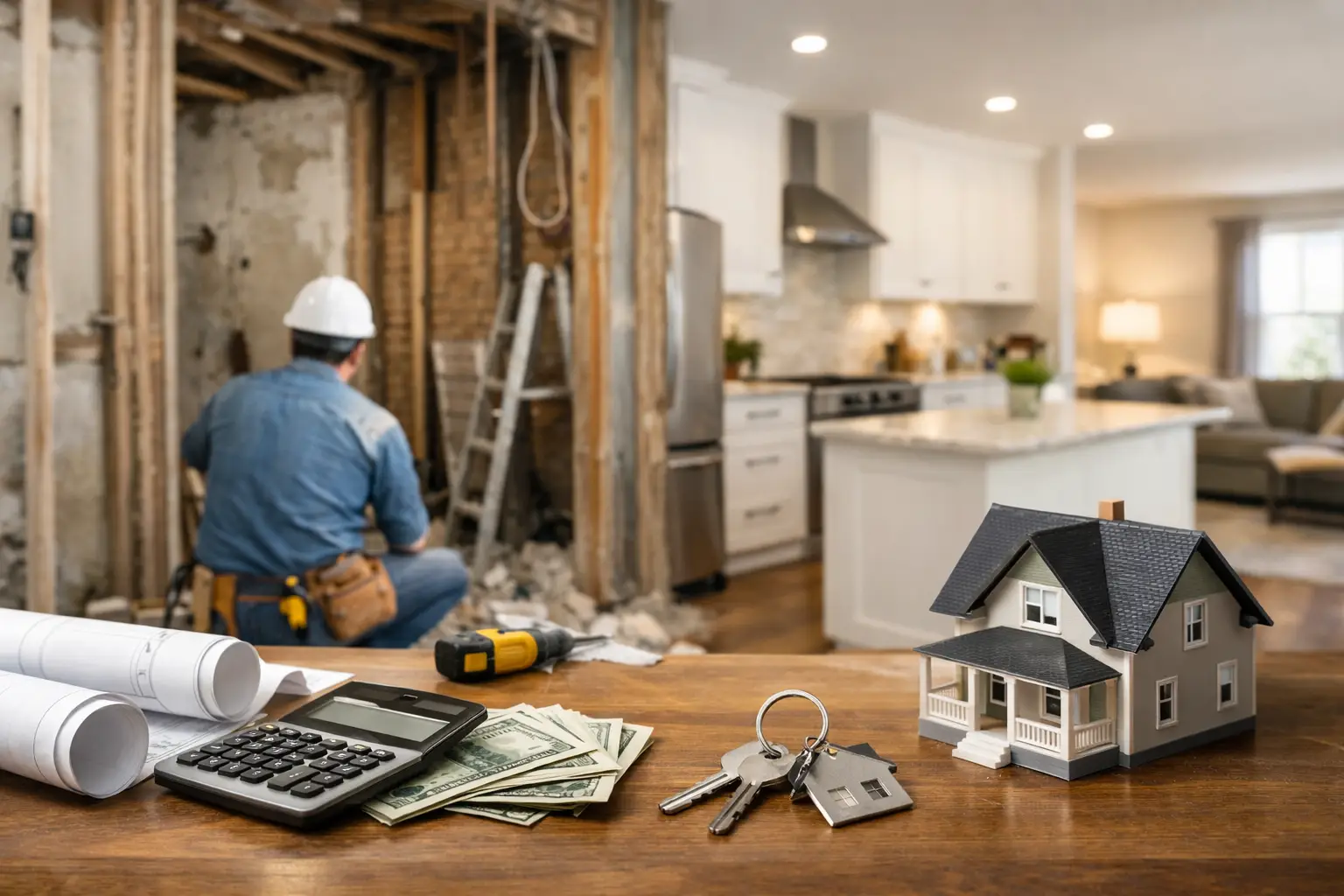
One of the most common budget surprises is discovery. Once demolition begins, contractors may uncover previous patchwork repairs, hidden rot, uneven framing, old pipe runs, or code issues from earlier renovations. None of that is unusual in an older home, but it does affect cost and timeline.
Another factor is labor. Older houses are less standardized than new construction. Floors may slope, walls may be out of plumb, and existing openings may not align with modern materials. Making new work fit an old structure takes time, skill, and careful craftsmanship. That is especially true when the goal is to preserve character rather than erase it.
Permitting and engineering can add cost as well. If you are removing walls, changing structural loads, altering utilities, or renovating a historic property, there may be additional design, documentation, and municipal review requirements. Those steps are worthwhile because they protect the integrity of the house and reduce risk later.
The rooms that usually drive the budget
Kitchens and bathrooms tend to carry the highest per-square-foot costs because they combine cabinetry, fixtures, tile, plumbing, electrical, and finish work in a relatively compact footprint. In older homes, these spaces often need more than a visual refresh. Drain lines may need relocation. Venting may be inadequate. Floors may need leveling before tile goes in.
Basements can also become major investments, especially when moisture control, insulation, ceiling height limitations, or egress requirements come into play. On paper, finishing a basement may seem straightforward. In practice, an older basement often requires significant prep work before it is ready for living space.
Main living areas can vary more. If the goal is paint, flooring, trim restoration, and lighting updates, the budget may remain fairly controlled. If the plan includes removing walls, adding beams, rebuilding stair sections, or integrating custom built-ins, the investment climbs quickly.
Structural and system upgrades that change the math
When homeowners ask about the cost to remodel an older home, they often picture cabinets, tile, and countertops. In reality, some of the most important costs are the ones you do not see after the project is complete.
Electrical upgrades may include new panels, rewiring sections of the house, grounding, and bringing circuits up to modern demand. Plumbing work may involve replacing old supply lines, cast iron drain lines, or improperly sloped waste piping. HVAC improvements can range from duct modifications to full system replacement if the home has poor airflow or outdated equipment.
Structural work can be even more significant. Sagging floors, undersized joists, compromised headers, or foundation concerns all need to be addressed with the right engineering and execution. These are not glamorous line items, but they are often what make the remodel safe, durable, and worth the investment.
How design choices shape total cost
Finishes can shift a budget dramatically. Stock cabinetry and standard tile produce a very different number than custom inset cabinetry, natural stone, and specialty fixtures. The same is true for windows, doors, flooring, trim profiles, and built-in features.
That does not mean every older home remodel needs luxury selections across the board. What matters is making strategic choices. Many clients get the best results by investing in the places that have the most daily impact, then simplifying in lower-priority areas. A well-designed project is not about spending more everywhere. It is about spending intentionally.
This is where integrated planning helps. When design, construction, and budgeting work together from the beginning, you can compare options before work starts instead of making expensive changes midstream. That is often the difference between a project that feels controlled and one that keeps drifting.
How to budget realistically for an older home remodel
The most reliable budgets start with a detailed walkthrough and honest conversations about goals. Are you trying to improve function for the next five years, or are you creating a long-term home with higher-end finishes and better flow? Are you preserving original character, modernizing everything, or doing a careful blend of both?
Once the priorities are clear, it helps to separate must-haves from nice-to-haves. Structural repairs, code upgrades, and water management belong in the first category. Decorative add-ons can be phased if needed. That approach protects the house first and gives you more control over where money goes.
Contingency planning is also essential. Older homes deserve a reserve beyond the base construction contract because hidden conditions are common, not exceptional. A contingency can prevent rushed decisions and keep the project moving when the unexpected appears.
For homeowners who want a more predictable experience, a design-build approach often reduces friction. With one team coordinating design, pricing, scope development, and construction, there is usually better alignment from concept through completion. That matters on older homes, where details can shift quickly and communication has to stay tight.
Is remodeling an older home worth the cost?
Often, yes, but only when the plan matches the property. If the home has strong bones, a good location, and character worth preserving, remodeling can be a smart investment in both lifestyle and long-term value. You get the benefit of an established neighborhood with a home tailored to how you actually live.
The trade-off is that older homes ask for more respect during the process. They reward careful work and punish rushed assumptions. Trying to force a fast, low-budget remodel onto a complex older house usually leads to disappointment.
A better approach is to treat the project as a balance of stewardship and improvement. Preserve what gives the home identity. Upgrade what affects safety, comfort, and performance. Build a budget around the real house, not the idealized version of it.
That is where experienced guidance matters. A contractor who understands both craftsmanship and project management can help you see what is possible, where the risk lives, and how to make smart decisions without losing sight of the finished result. For homeowners in older Pennsylvania properties, that clarity is just as valuable as the renovation itself.
If you are considering major work, start with the house as it is, not just the look you want. The right remodel does more than update finishes. It gives an older home a stronger future while respecting everything that made it worth buying in the first place.