
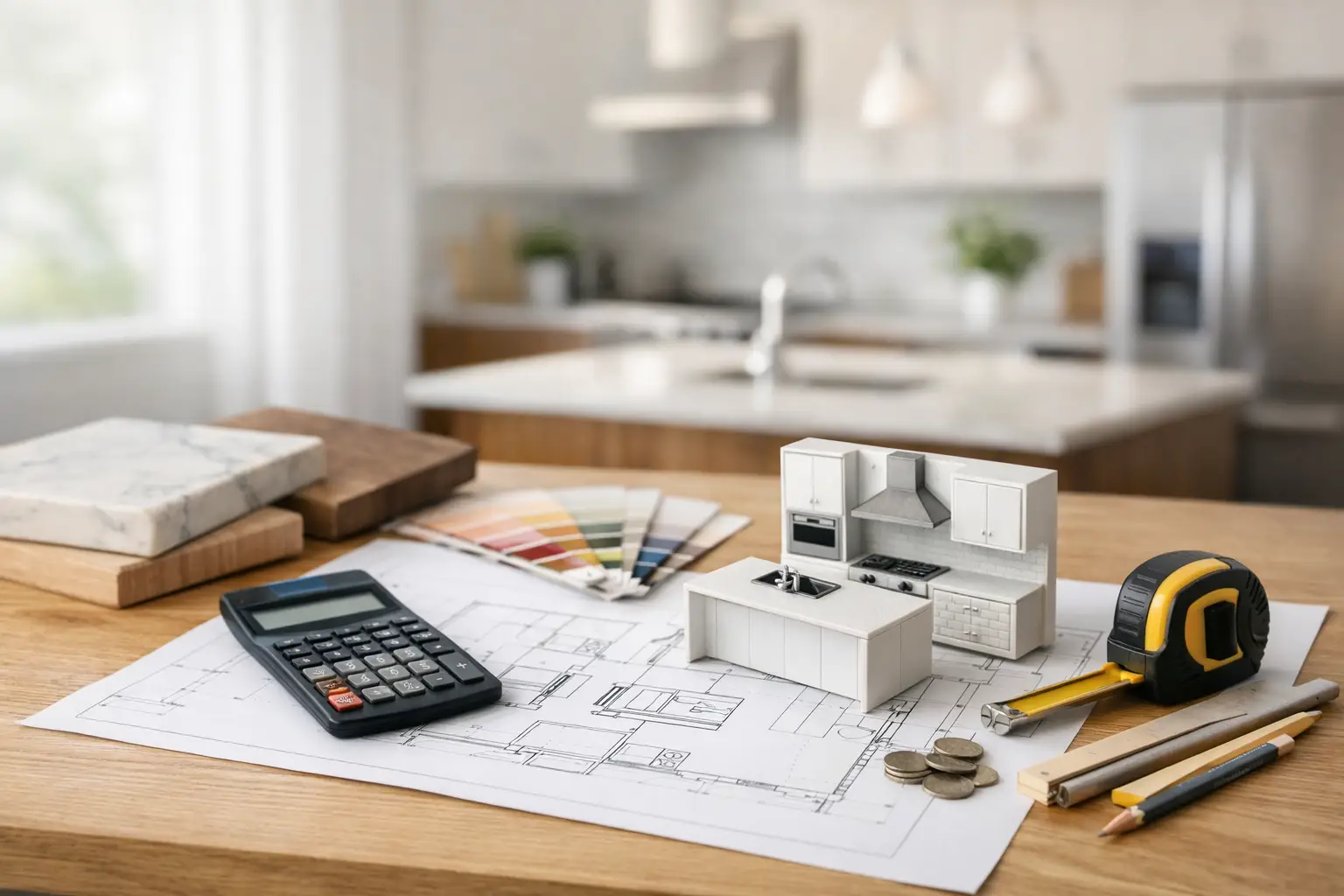
A kitchen quote can look reasonable at first glance, then shift quickly once walls open up, finishes change, or appliance selections move from standard to premium. That is why kitchen remodeling cost is never just about cabinets and countertops. It is about scope, decisions, and how well the project is planned before construction begins.
For homeowners in the greater Philadelphia area, pricing can vary widely based on the age of the home, the condition behind the walls, and the level of finish expected. A simple cosmetic refresh is one thing. A full redesign with structural changes, custom cabinetry, and high-end appliances is another entirely. Knowing the difference helps you set a realistic budget and avoid surprises that can derail the experience.
What affects kitchen remodeling cost most
The biggest driver is scope. If you are keeping the existing layout, your investment typically goes further because plumbing, electrical, and gas lines stay in place. Once you start moving a sink, relocating a range, removing a wall, or adding an island where nothing existed before, labor and coordination increase fast.
Cabinetry is often one of the largest line items. Stock cabinets are more budget-friendly, while semi-custom and custom options give you better fit, more design flexibility, and stronger material choices. For many homeowners, this is where the balance between cost and long-term value becomes clear. A lower upfront price may save money now, but cabinetry is also one of the most used elements in the room.
Countertops are another major factor. Laminate and some entry-level surfaces keep costs down, while quartz, natural stone, and specialty edge profiles increase the investment. The same pattern holds true across the project. Lighting, flooring, backsplash tile, fixtures, hardware, and appliances all have a wide pricing range depending on quality, brand, and design intent.
Then there is labor. Skilled installation matters in a kitchen because everything is visible and everything has to function properly. Uneven floors, out-of-square walls, older framing, and outdated utilities can all require additional work to bring the space up to standard. In older Pennsylvania homes, that kind of hidden condition is common enough that it should be expected, not treated as unusual.
Kitchen remodeling cost by project type
A cosmetic kitchen update is usually the most accessible path. This might include painting, replacing countertops, updating lighting, installing a new backsplash, swapping out hardware, and possibly refacing or replacing some cabinetry without changing the footprint. This type of project can improve the look and feel of the space dramatically, but it does not solve layout problems or aging infrastructure.
A mid-range remodel typically includes new cabinetry, new countertops, flooring, lighting, appliances, and finish upgrades while keeping the kitchen in roughly the same location. This is where many homeowners land when they want a meaningful transformation without taking on a full structural rework. It offers a strong blend of visual impact, usability, and resale appeal.
A high-end kitchen renovation usually involves design-driven planning, custom finishes, premium appliances, and layout changes that improve how the room works. It may include wall removal, beam installation, expanded footprints, specialty storage, integrated lighting, larger islands, and more refined material selections throughout. The price climbs because the complexity climbs.
In practical terms, kitchen remodeling cost can range from tens of thousands of dollars for a modest update to well into six figures for a fully customized luxury renovation. That is a broad range, but it reflects reality. The better question is not what does a kitchen cost in general. It is what will your kitchen require to meet your goals.
Why layout changes increase cost so quickly
Homeowners often assume the expensive part is the finish material they can see. In many cases, the real cost increase starts with what has to move behind the walls and under the floor. A relocated sink needs new plumbing. A new range location may require gas and ventilation changes. Additional lighting or appliance upgrades can trigger electrical panel work, dedicated circuits, or code-related improvements.
Structural changes raise the stakes even more. Opening a kitchen to a dining room or family room may require engineering, permits, temporary support, and finish repair beyond the kitchen itself. Those changes can be well worth it if the current layout feels closed off or inefficient, but they should be planned with full awareness of the added scope.
This is where a design-build approach tends to protect the budget better than a piecemeal process. When design, estimating, and construction planning happen together, the team can identify cost impacts early instead of after selections are made or demolition begins.
The material decisions that shape your budget
Not every upgrade has the same return. Some choices improve daily function in ways that justify the spend. Others are primarily aesthetic. Neither is wrong, but homeowners benefit from knowing which is which.
Cabinet construction, drawer hardware, and storage accessories affect how the kitchen performs for years. Soft-close slides, full-extension drawers, trash pull-outs, pantry organization, and custom inserts may seem like small details, yet they often add more real-life value than a trend-driven finish.
Appliances are another category where spending can shift fast. A standard appliance package and a professional-grade package can be separated by many thousands of dollars. Ventilation is especially important here. A beautiful range without proper venting can lead to performance issues and comfort problems that are expensive to correct later.
Tile and lighting tend to have a similar pattern. There are excellent options at many price points, but custom layouts, specialty fixtures, and layered lighting plans add both material and labor cost. If the goal is a polished, architectural result, those details matter. If the budget is tight, they may be the place to simplify.
Budgeting for the costs you do not see
A well-prepared budget should include more than the visible selections. Permits, demolition, debris removal, temporary protection, code updates, delivery, and finish carpentry all matter. So does project management. Kitchens involve many moving parts, and coordination is one of the reasons a project stays on track.
Contingency planning is also essential. In older homes, opening walls can reveal outdated wiring, water damage, framing repairs, or insulation issues. That does not mean every project will run over budget. It means responsible planning leaves room for conditions that no one can fully confirm before demolition.
Many homeowners feel more comfortable when they understand allowances versus fixed costs. If a quote includes allowances for tile, appliances, or plumbing fixtures, your final price depends on what you actually choose. That is not necessarily a problem, but it should be clear from the start. Transparency matters because it allows better decisions before the project is underway.
How to keep kitchen remodeling cost under control
The most effective way to manage cost is to make key decisions early. Frequent changes during construction almost always cost more than thoughtful planning upfront. That includes layout, appliance sizes, cabinet configuration, lighting, and finish selections.
It also helps to decide where to invest and where to stay disciplined. For some households, custom cabinetry and a better layout are the priorities, while appliance upgrades can wait. For others, entertaining is central to how the kitchen is used, so the range, refrigerator, and island seating become worth the extra spend. A good plan reflects how the family actually lives.
Choosing a team that can guide design and construction together usually reduces friction. It is easier to protect the budget when the people drawing the plans also understand field conditions, scheduling, lead times, and installation realities. That kind of accountability leads to fewer disconnects and more accurate expectations.
For homeowners who want a kitchen that feels elevated but still financially smart, it is often better to do fewer things well than to stretch the budget across too many upgrades. Quality tends to show in the parts you touch every day.
What a realistic conversation should sound like
A trustworthy contractor should be able to explain what is driving the price, what is optional, and what may become necessary once the project starts. They should ask how you use the space, how long you plan to stay in the home, and what level of finish makes sense for the property. Kitchen remodeling cost is not a one-size-fits-all number, and honest guidance should reflect that.
At OSR Builders, that kind of planning matters because the goal is not just to build a beautiful kitchen. It is to deliver one that fits the home, the budget, and the way the client lives. When craftsmanship and accountability lead the process, the final investment makes more sense from the beginning.
A kitchen remodel is one of the most meaningful upgrades you can make to a home, but the best results rarely come from chasing the lowest number. They come from a clear plan, smart priorities, and a team that respects both the design vision and the budget behind it.