
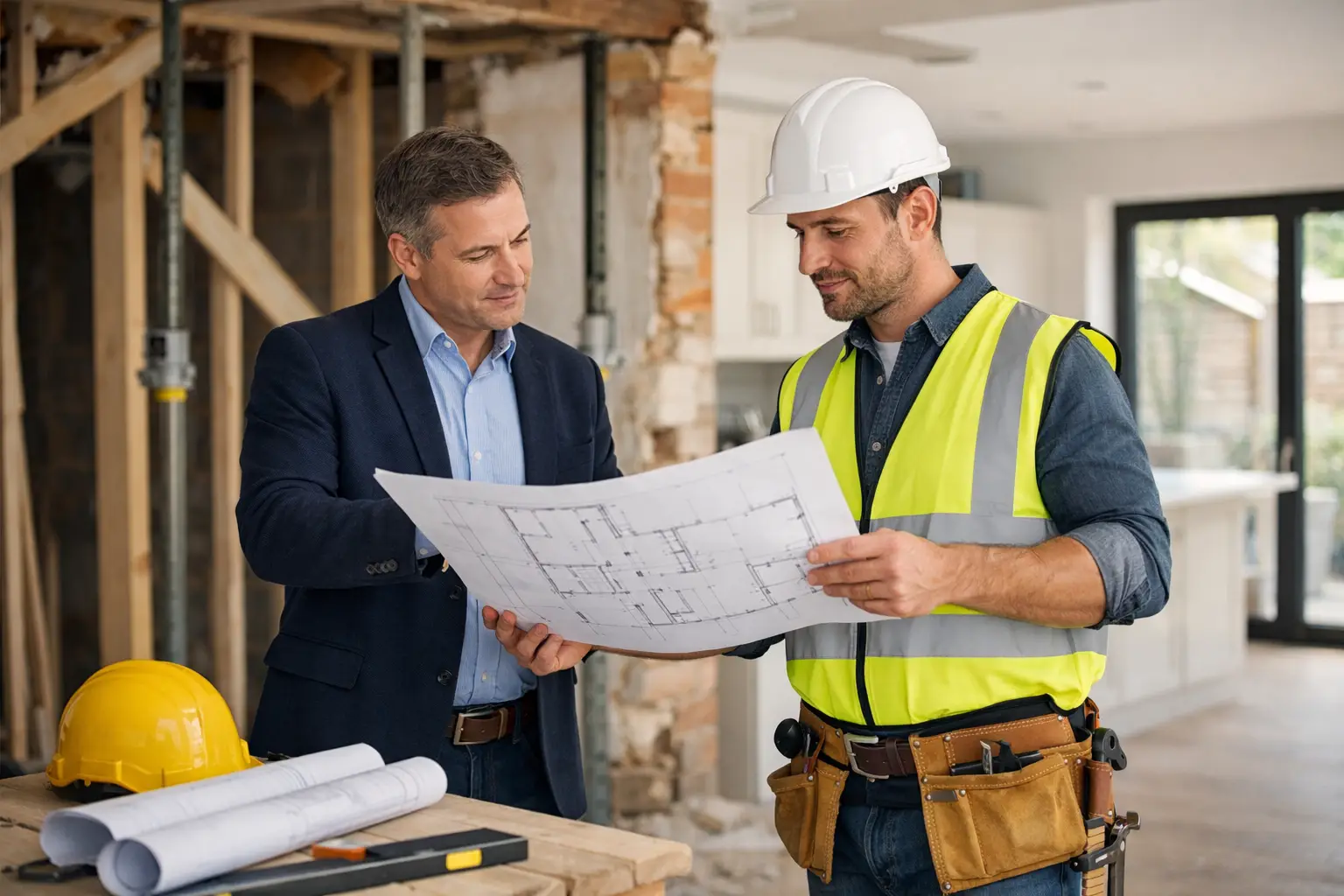
When a wall needs to come down, a floor starts to sag, or an addition changes the load path of your home, you are no longer talking about a cosmetic remodel. You need a structural renovation contractor who understands how the building actually stands, how the systems work together, and how to improve the space without creating new problems behind the drywall.
That distinction matters more than most property owners realize. Structural work affects safety, permits, engineering, scheduling, and cost in ways that a surface-level renovation does not. It can also create major opportunities. A dark, chopped-up layout can become open and functional. An aging property can be reinforced for long-term use. A home or commercial space can be adapted to fit the way you live or work now, not the way it was built decades ago.
What a structural renovation contractor actually does
A structural renovation contractor manages construction work that changes, repairs, or reinforces the parts of a building that carry loads and maintain stability. That can include framing modifications, beam installation, foundation repair coordination, floor system reinforcement, wall removal with proper support, and structural changes tied to additions or major reconfigurations.
In practical terms, this is the contractor you call when the project goes beyond finishes and into the bones of the building. If you are opening a first floor, converting an attic, rebuilding after water damage, restoring an older property, or making a commercial space work for a new use, structural expertise is often the difference between a smooth project and a costly one.
The best contractors in this category do more than swing hammers. They coordinate with engineers, navigate permits, sequence trades carefully, and keep the structural scope aligned with the design intent. That last part is easy to overlook, but it matters. A beam can solve one problem while creating another if ceiling heights, mechanical runs, or finish details are not considered early.
Why hiring the right structural renovation contractor matters
Structural work has less room for guesswork than standard remodeling. A mismeasured cabinet is frustrating. A miscalculated load transfer is far more serious.
That does not mean every project needs to feel intimidating. It does mean the contractor should approach the work with discipline. Existing homes in the greater Philadelphia area often come with age, previous alterations, uneven framing, moisture issues, and surprises hidden inside walls or crawl spaces. Older commercial buildings can present similar conditions, along with code upgrades that affect the scope.
An experienced contractor knows how to investigate before promising too much. They also know when the answer is, it depends. Some structural modifications are straightforward because the framing is accessible and the loads are clear. Others require exploratory work, temporary shoring, engineering revisions, and close coordination between design and field conditions. A contractor who pretends every structural project is simple is usually a contractor who has not done enough of them.
Signs your project may need structural expertise
Many clients first think they need a remodeler, then realize the project has structural implications. If you are planning to remove walls, add square footage, change rooflines, lower a basement, repair significant cracking, or address bouncy floors, structural review should happen early.
The same is true if windows and doors are sticking, floors slope noticeably, or there has been fire, water, or termite damage. Sometimes those signs point to a limited repair. Sometimes they reveal a broader issue. The right contractor will not diagnose from across the room. They will assess conditions, document what is visible, and bring in engineering support when needed.
For design-driven projects, structural planning also matters when you want wider openings, cleaner sightlines, larger islands, or more natural light. Those features are often possible, but they rely on the right support strategy. Good construction makes beautiful design possible.
How the process should work
A well-run structural renovation project starts with discovery, not demolition. The contractor should understand your goals, the age and condition of the property, and the desired finish level before recommending the construction path.
From there, the project typically moves into site review, feasibility, budgeting, and design or engineering coordination. In some cases, opening limited areas of the structure is necessary to confirm framing conditions before final pricing. That can feel like an extra step, but it often protects the budget better than pretending hidden conditions do not exist.
Once the scope is defined, the contractor should map out permits, materials, sequencing, inspections, and trade coordination. Structural work often has a domino effect. A new beam may require temporary supports, electrical rerouting, HVAC adjustments, drywall repair, flooring transitions, and finish carpentry updates. That is why single-source coordination is so valuable. When design, construction, and project management are aligned, fewer details fall through the cracks.
What to look for before you hire
Start with experience that matches the type of property and complexity of your project. Not every contractor who handles kitchens or bathrooms is equipped for structural changes. Ask about similar work, especially in older homes, historic properties, additions, and occupied renovations.
Pay attention to how the contractor talks about planning. You want clear communication about scope, assumptions, permit requirements, and possible unknowns. A dependable contractor does not promise a perfect crystal ball. They explain what is known, what still needs confirmation, and how changes will be handled if site conditions shift.
You should also look for strong coordination habits. Structural renovation is rarely a one-trade job. It involves carpenters, engineers, municipal review, and often plumbing, electrical, HVAC, insulation, drywall, and finish teams. The contractor should be able to manage all of that without making the client act as the go-between.
Craftsmanship matters too, even when the work is hidden. Temporary shoring, framing connections, beam placement, fastening methods, and repair integration all affect the outcome. The goal is not just to make the structure pass inspection. The goal is to make it perform well and finish cleanly.
Budget realities and trade-offs
Property owners often ask the same fair question: why does structural renovation cost more than expected? The answer is usually a mix of labor intensity, engineering, permits, temporary support, and hidden conditions.
Structural work can move quickly once opened up, but getting to that point takes careful preparation. There is also less flexibility to cut corners. If a beam size, footing detail, or framing repair is required, it is required. That said, there are still decisions that affect cost. Sometimes a slightly different layout avoids an expensive steel installation. Sometimes preserving part of an existing wall saves both labor and finish repair. Sometimes the smarter choice is to phase the project rather than do everything at once.
A good contractor helps you weigh those options without losing sight of the long-term result. Value engineering should improve efficiency, not dilute the integrity of the project.
Structural renovation contractor for homes and commercial spaces
Residential and commercial structural projects share core principles, but the priorities can differ. In homes, the focus is often livability, design flow, long-term durability, and protecting adjacent finished spaces. Families want the new layout to feel natural, not patched together.
In commercial settings, timelines, code compliance, occupancy considerations, and operational disruption often take center stage. The structural scope may need to support a new use, upgraded equipment, or a reconfigured floor plan that serves staff and customers better.
That is where an integrated contractor brings real value. OSR Builders approaches structural renovation as part of the full project, not as an isolated fix. That means balancing engineering requirements with design goals, schedule demands, and the finish quality clients expect when the work is complete.
Common mistakes to avoid
One mistake is hiring based on the lowest number before the scope is truly defined. A cheap estimate built on assumptions can become an expensive project once the walls are open.
Another is separating design, engineering, and construction too aggressively in the name of saving money. That can work on some jobs, but on complex structural renovations, too many disconnected parties often create delays, finger-pointing, and missed details.
The last big mistake is treating structural work like it only matters until inspection. The best projects think past that moment. They consider how the new structure integrates with finishes, how the space will feel, and how the building will perform years from now.
If your renovation touches the structure, slow down long enough to choose the right partner. The best structural renovation contractor will protect more than the frame of the building. They will protect your investment, your timeline, and your confidence in the process.